
Smart cards are everywhere — in your wallet, on your office lanyard, embedded in your passport. Yet the technology behind these unassuming pieces of plastic remains poorly understood by many of the businesses that rely on them daily. Whether you are a bank evaluating chip suppliers, a hotel chain procuring key cards, or a government agency planning a national ID programme, understanding the fundamentals of smart card technology is essential to making informed procurement decisions.
Contact vs Contactless: The Two Interfaces
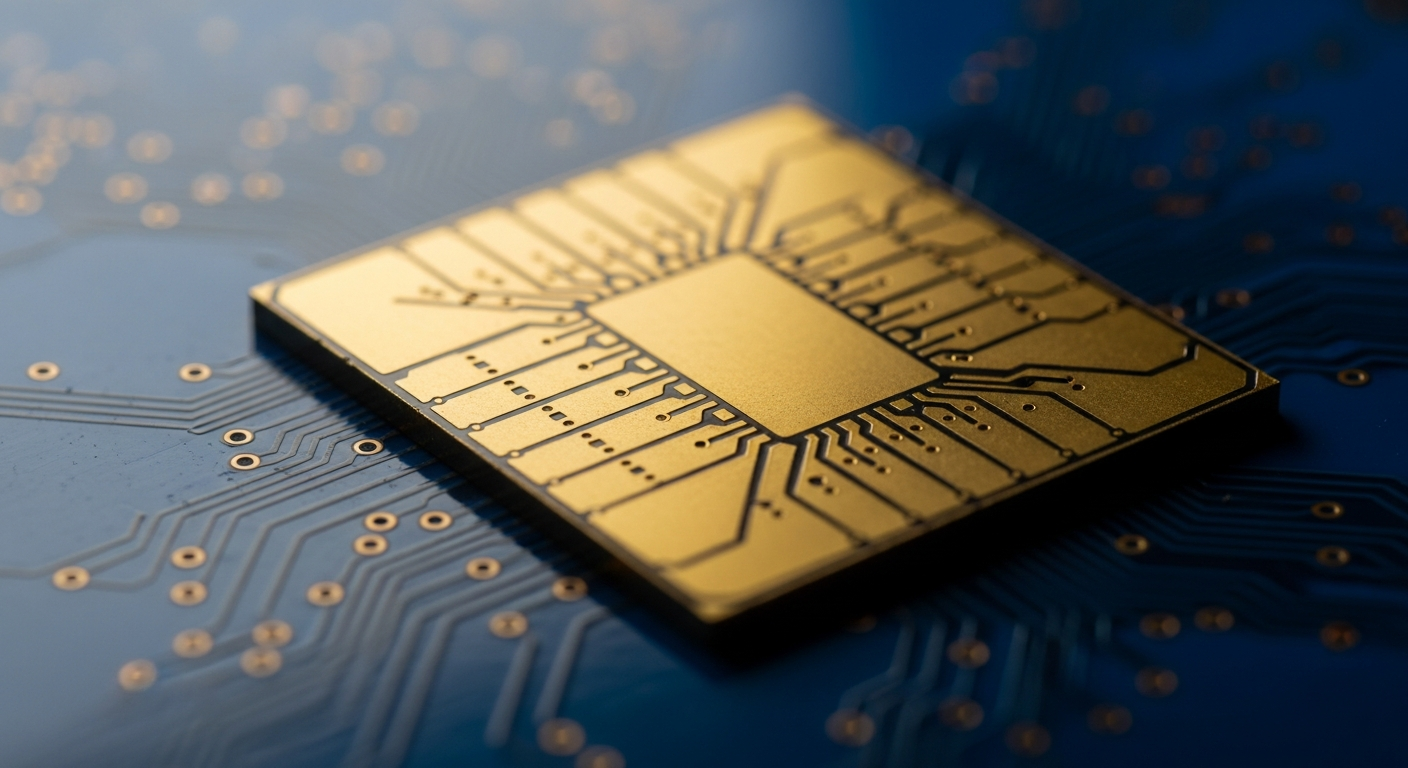
The most fundamental distinction in smart card technology is between contact and contactless interfaces. Contact cards require physical insertion into a reader, with the card's gold-plated contact pad connecting directly to the terminal's reading pins. This interface is governed by ISO/IEC 7816, the foundational standard that defines everything from the physical dimensions of the card to the electrical characteristics of the chip interface and the communication protocols used between card and reader.
Contactless cards, by contrast, communicate with readers via radio frequency, eliminating the need for physical contact. These cards contain an embedded antenna — typically a coil of copper or aluminium wire — that powers the chip inductively when brought within range of a reader. The dominant standard for contactless smart cards is ISO/IEC 14443, which operates at 13.56 MHz and supports communication ranges of up to 10 centimetres. A related standard, ISO/IEC 15693, supports longer read ranges but at lower data transfer speeds, making it more suited to logistics and inventory applications than payment or access control.
Memory Cards vs Microprocessor Cards
Not all smart cards are created equal in terms of computational capability. The simplest type is the memory card, which contains a small amount of storage (typically 256 bytes to 8 kilobytes) but no processing capability. These cards can store data and may include basic security features such as write-protection or password authentication, but they cannot execute programmes or perform cryptographic operations. Common applications include prepaid telephone cards, basic loyalty cards, and simple access control tokens.
Microprocessor cards represent a significant step up in sophistication. These cards contain a small computer — complete with a central processing unit (CPU), random-access memory (RAM), read-only memory (ROM), and electrically erasable programmable read-only memory (EEPROM). This architecture allows the card to run its own operating system and execute applications securely. The card can perform cryptographic operations such as RSA encryption, elliptic curve cryptography, and secure hash generation, making it suitable for applications where data integrity and authentication are critical.
Common Chip Platforms
The global smart card market is served by a handful of major chip manufacturers. NXP Semiconductors (formerly Philips) produces the widely used MIFARE family — MIFARE Classic for basic access control, MIFARE DESFire for higher-security applications, and MIFARE Ultralight for disposable ticketing. Infineon Technologies supplies chips for banking and government ID applications, with their SLE series being a staple in EMV card production. Samsung and STMicroelectronics round out the major suppliers, each offering chip platforms tailored to specific market segments.
For payment cards, the chip must be certified by the relevant payment network — Visa, Mastercard, UnionPay, or others — through a rigorous process that tests both the chip hardware and the payment application loaded onto it. This certification process, known as card type approval, ensures that every card in circulation meets the security and interoperability requirements of the global payment ecosystem.
The Card Body: More Than Just Plastic
The physical card substrate is an engineering achievement in its own right. Standard smart cards conform to the ID-1 format defined in ISO/IEC 7810 — the familiar 85.6 mm by 53.98 mm dimensions with a thickness of 0.76 mm. The card body is typically constructed from multiple layers of PVC (polyvinyl chloride), though premium applications may use polycarbonate, PET-G, or even metal composites.
For contactless cards, the antenna must be precisely embedded between the card layers during the lamination process. The antenna design — its number of turns, wire gauge, and tuning — directly affects the card's read range, power harvesting efficiency, and reliability. A poorly designed or manufactured antenna can result in cards that are intermittently readable, a frustrating experience for end users and a reputational risk for card issuers.
Choosing the Right Card for Your Application
The selection of card technology should be driven by the application's security requirements, operational environment, and budget constraints. A basic gym membership card may need nothing more than a MIFARE Ultralight chip with a unique identifier. A banking card requires a certified microprocessor with secure element capabilities. A government ID card may demand a dual-interface chip that supports both contact and contactless reading, with sufficient memory to store biometric templates.
At Cardzgroup, we guide our clients through this selection process, drawing on our manufacturing expertise to recommend solutions that balance performance, security, and cost-effectiveness. Understanding the technology is the first step — choosing the right configuration for your specific needs is where expert guidance makes the difference.