
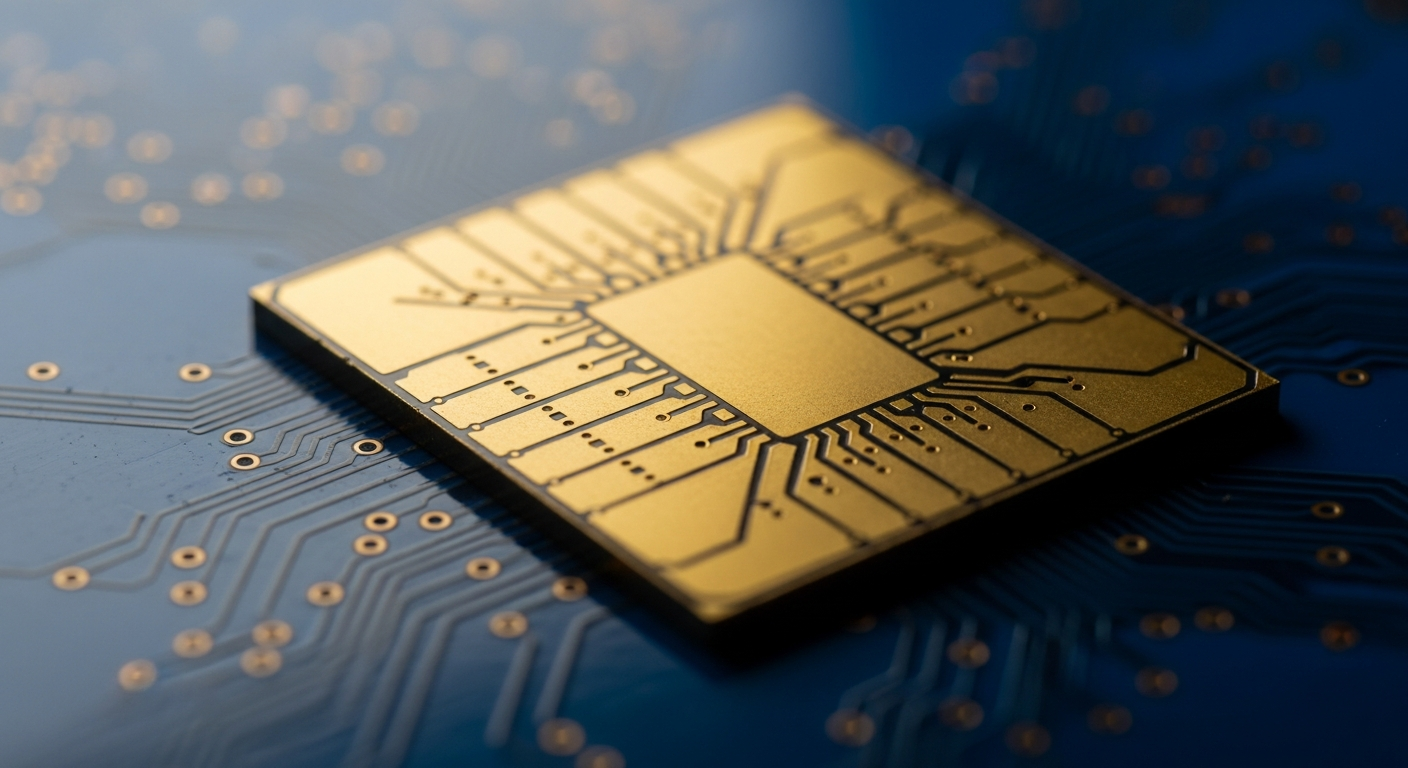
Near Field Communication — NFC — is a technology whose time has decisively arrived. While NFC has existed in various forms since the early 2000s, it is only in the past few years that the ecosystem of NFC-enabled devices, payment terminals, and applications has reached the critical mass needed for mainstream adoption. For Africa, a continent that has already demonstrated its willingness to leapfrog traditional technology paradigms, NFC presents opportunities that extend far beyond contactless payments.
NFC Fundamentals
NFC is a short-range wireless communication technology operating at 13.56 MHz, the same frequency used by contactless smart cards under the ISO/IEC 14443 standard. What distinguishes NFC from general RFID is its extremely short communication range — typically under 4 centimetres — and its support for two-way communication. While a contactless card can only transmit data to a reader, an NFC device can both read and write data, and two NFC devices can exchange information with each other (a mode known as peer-to-peer).
NFC operates in three distinct modes. Card emulation mode allows an NFC device (typically a smartphone) to behave like a contactless smart card, enabling mobile payments. Reader/writer mode allows the device to read data from NFC tags — small, passive chips embedded in posters, product packaging, or equipment. Peer-to-peer mode enables two NFC devices to exchange data directly, useful for applications like contact sharing or Bluetooth pairing.
Mobile Wallets and Tap-to-Pay
The most visible application of NFC is mobile payment. Apple Pay, launched in 2014, and Samsung Pay, launched in 2015, both use NFC to enable tap-to-pay transactions from a smartphone. Google Pay (formerly Android Pay) rounds out the major global mobile payment platforms. These services tokenise the user's card credentials, storing a device-specific token in the phone's secure element rather than the actual card number, providing a security layer beyond what a physical card offers.
In Africa, mobile wallet adoption via NFC faces a distinct set of challenges and opportunities. Smartphone penetration is growing rapidly but remains lower than in developed markets, and many of the lower-cost Android devices popular in Africa do not include NFC hardware. Apple's iPhone, which universally includes NFC, commands a smaller market share on the continent due to its premium pricing.
However, the trajectory is clear. As smartphone prices continue to fall and NFC becomes a standard feature even in entry-level devices, the African consumer base with NFC capability will grow substantially. Samsung's strong market position in Africa, combined with the increasing availability of NFC-enabled devices from Chinese manufacturers like Huawei, Xiaomi, and Transsion (maker of the Africa-focused Tecno and Itel brands), suggests that NFC-capable smartphones will be in the majority within a few years.
Beyond Payments: NFC Tags and Smart Packaging
While payments capture the headlines, NFC's potential in non-payment applications is equally significant — and arguably more immediately relevant for many African use cases. NFC tags are small, inexpensive chips (costing as little as a few cents each in volume) that can be embedded in virtually anything and programmed to trigger actions when tapped by an NFC-enabled phone.
The pharmaceutical industry is exploring NFC tags for drug authentication — a critical concern in African markets where counterfeit medications represent a serious public health threat. A patient can tap an NFC tag on a medication package to verify its authenticity, checking the product's origin, batch number, and expiry date against a central database. The World Health Organisation estimates that up to 10% of medicines in low- and middle-income countries are substandard or falsified, making this a use case with genuine life-saving potential.
Tourism and hospitality applications are also emerging. Hotels can embed NFC tags in room directories, allowing guests to tap for information about restaurants, spa services, and local attractions. Museums and cultural sites can use NFC tags to provide multilingual audio guides, replacing expensive dedicated hardware with the visitor's own smartphone.
Infrastructure Requirements
For NFC payments to function, the point-of-sale infrastructure must support contactless transactions. This means terminals equipped with NFC readers and connected to payment processing networks that can handle contactless protocols. In South Africa, the major terminal providers — Ingenico, Verifone, and local players like Nomanini — are shipping NFC-capable terminals as standard, and the installed base of contactless-ready terminals is growing steadily.
Across the rest of the continent, terminal infrastructure remains a bottleneck. Many African markets still rely heavily on cash, and card-accepting merchant infrastructure is concentrated in major urban centres. The economics of deploying and maintaining payment terminals in low-transaction-volume environments remain challenging, though mobile point-of-sale solutions (mPOS) — compact card readers that connect to a merchant's smartphone — are helping to extend acceptance into smaller businesses and informal markets.
The Physical Card Remains Essential
Despite the growing prominence of NFC-enabled mobile payments, the physical NFC card remains the most reliable and universally accessible form factor for contactless transactions. A contactless card requires no battery, no software updates, no mobile data connection, and no digital literacy beyond the ability to tap. For the vast majority of African card users, a physical NFC-enabled card will be their primary contactless payment instrument for years to come.
This reality underpins the continued demand for high-quality NFC card manufacturing — cards with precisely tuned antennas, reliable chip bonding, and durable substrates that deliver consistent tap performance throughout the card's lifecycle. At Cardzgroup Africa, our NFC card production benefits from years of antenna design optimisation and rigorous quality testing, ensuring that every card we produce delivers the seamless tap experience that consumers and issuers expect.