
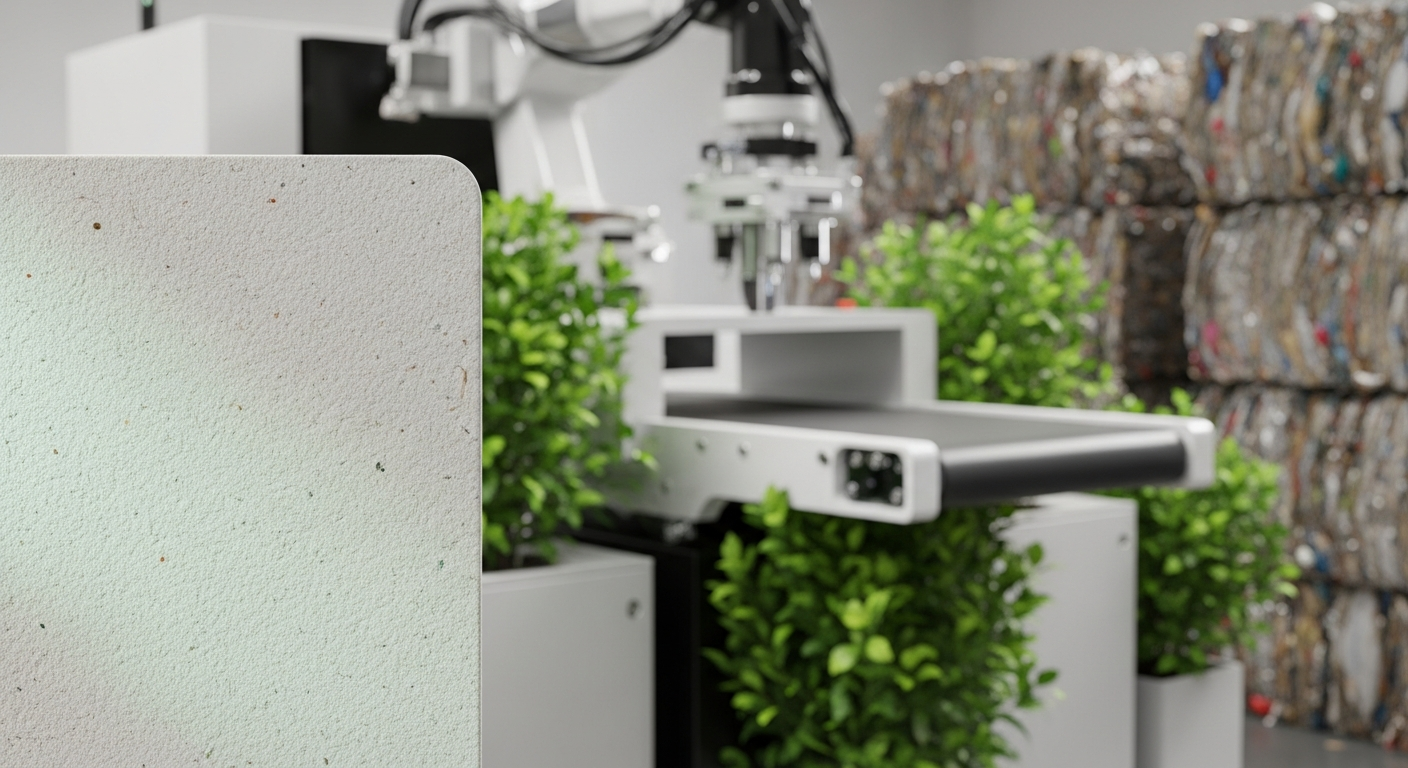
The global card industry produces billions of plastic cards every year. Each card — whether a banking card, a hotel key, a loyalty card, or an ID document — is typically manufactured from polyvinyl chloride (PVC), a petroleum-derived plastic that will persist in the environment for hundreds of years if not properly managed. As a card manufacturer, we recognise that we bear a responsibility to minimise the environmental impact of our operations, and we are committed to a journey of continuous improvement in environmental performance.
Environmental Management: A Framework for Improvement
Cardzgroup's production facilities operate under a structured environmental management framework aligned with international best practices. This is not merely a policy statement — it represents a systematic approach to identifying, managing, and reducing environmental impacts across every aspect of the operation.
The framework requires measurable environmental objectives, programmes to achieve them, regular monitoring, and continuous improvement. It covers everything from energy consumption and water usage to waste generation, emissions, and supply chain environmental management.
Recycled PVC and Alternative Materials
The most significant environmental impact of card manufacturing lies in the raw material — PVC. Standard card-grade PVC is produced from virgin resin derived from fossil fuels. We are actively working to reduce our dependence on virgin PVC through several initiatives.
Recycled PVC cards incorporate post-industrial recycled PVC content into the card substrate. Our current recycled PVC formulations use up to 30 per cent recycled content while maintaining the mechanical properties, print quality, and durability standards required for payment and identification cards. We are working with our material suppliers to increase this percentage as recycled PVC processing technology improves.
Beyond recycled PVC, we are evaluating bio-based polymers — plastics derived from renewable biological sources such as corn starch, sugar cane, or cellulose. Several bio-based card materials have reached commercial availability, and we have conducted successful production trials with PLA (polylactic acid) and PHA (polyhydroxyalkanoate) substrates. While bio-based cards currently carry a cost premium, we expect pricing to improve as production volumes increase and demand from environmentally conscious issuers grows.
Energy Efficiency
Card manufacturing is an energy-intensive process. The lamination presses that bond card layers together operate at high temperatures and pressures, consuming significant electrical energy. Our printing equipment, chip embedding machines, and personalisation systems add further to our energy footprint.
We have implemented a comprehensive energy management programme that includes the installation of LED lighting throughout our facilities, the optimisation of press heating cycles to reduce idle energy consumption, and the deployment of variable-frequency drives on motors and pumps that previously ran at constant speed. Energy investments at Cardzgroup's production facilities include rooftop solar panels that now generate a meaningful percentage of daytime electricity demand from renewable sources.
Waste Reduction
Card manufacturing generates several waste streams: PVC scrap from cutting and punching operations, chemical waste from printing processes, defective cards from quality control rejection, and packaging waste from incoming materials. Our waste reduction strategy targets each of these streams individually.
PVC scrap — the largest waste stream by volume — is collected, sorted, and recycled back into card-grade material through our partnership with specialised PVC recycling facilities. Printing chemical waste is treated and disposed of through licensed hazardous waste contractors. Defective cards are shredded and recycled rather than landfilled. Incoming packaging materials are returned to suppliers where possible or recycled through municipal recycling programmes.
Waste generation metrics are tracked monthly and reported as part of the environmental management review process. The target is to reduce waste-to-landfill per unit of production by 5 per cent annually, and the facility has exceeded this target for the past three consecutive years.
Responsible Chemical Management
The card printing process uses inks, solvents, and cleaning chemicals that require careful management. We have transitioned to low-VOC (volatile organic compound) inks where technically feasible, reducing atmospheric emissions from our printing operations. Our solvent recovery system captures and recycles printing solvents, reducing both waste generation and raw material consumption. All chemicals used in our facility are registered in our REACH-compliant chemical inventory, and Material Safety Data Sheets are maintained and accessible for every substance in use.
The Road Ahead
We do not pretend that our environmental journey is complete. The card industry as a whole must continue to innovate in materials, processes, and end-of-life management to reduce its environmental footprint. We are committed to leading this innovation, working with our clients to offer increasingly sustainable card solutions, and transparently reporting our environmental performance.
For our African clients, who operate in a continent particularly vulnerable to the effects of climate change, our environmental commitment is not merely a corporate responsibility exercise — it is an expression of our respect for the communities and ecosystems in which we operate.