
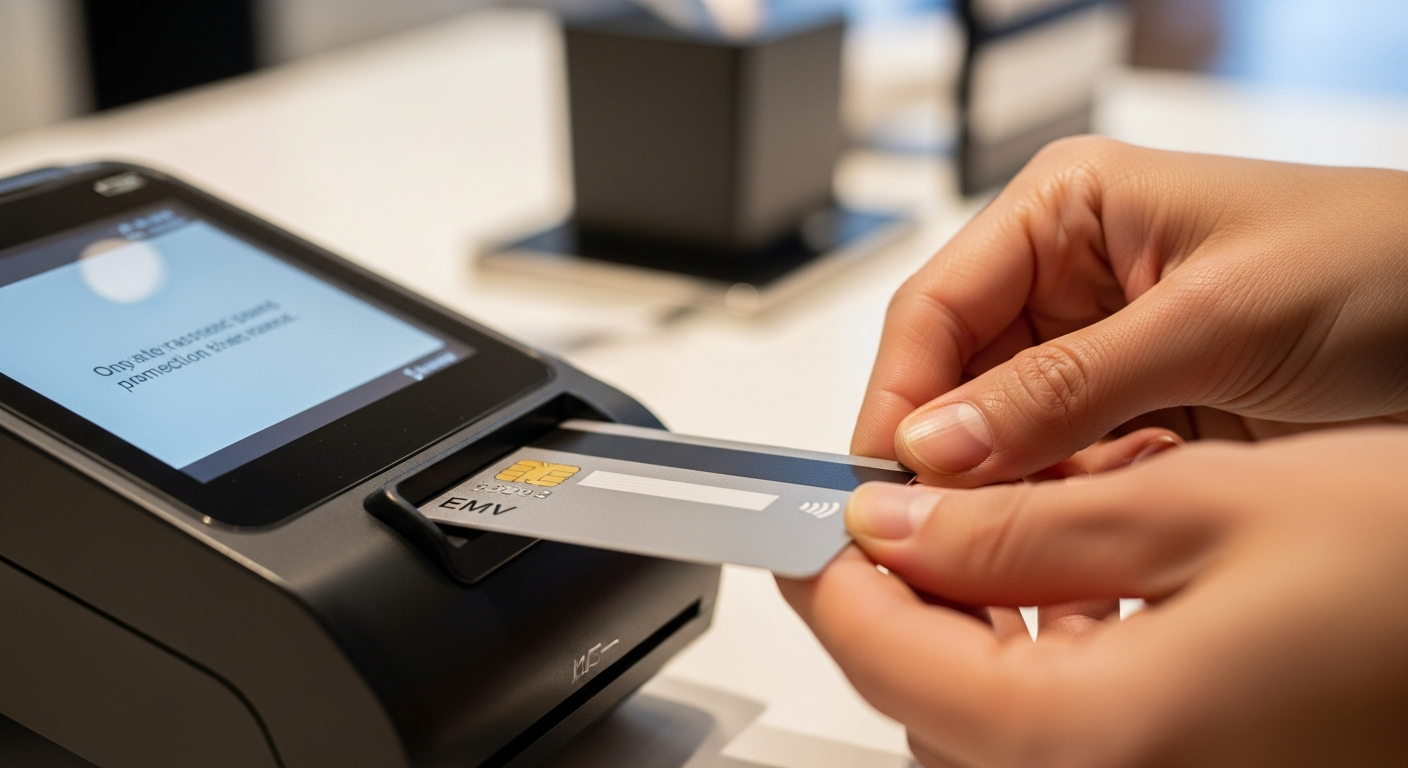
There is an unmistakable moment when a metal payment card hits a counter. The sound — a distinctive, weighty clink quite unlike the inaudible arrival of a plastic card — announces something about its owner. In African banking, where brand differentiation and status signalling are powerful forces, metal cards have evolved from a novelty into a core product in the premium banking arsenal.
The Psychology of Weight
A standard PVC payment card weighs approximately 5 grams. A metal card weighs between 14 and 28 grams, depending on the metal and construction. This difference — felt immediately when the card is picked up, carried in a wallet, or placed on a table — creates a visceral sense of substance and quality that no amount of premium printing on a plastic card can replicate.
The psychology is well documented. Research into product perception consistently shows that weight correlates with perceived quality and value. A heavier card feels more important, more durable, more exclusive. For banks targeting high-net-worth individuals who pay premium fees for elite banking products, the metal card is a physical embodiment of the value proposition — a constant, tangible reminder of the premium relationship.
Materials and Construction
Metal cards are manufactured using several different approaches, each with distinct characteristics. The most common construction is a metal-PVC hybrid, where a thin metal plate (typically 0.3 to 0.5 mm thick) is sandwiched between PVC layers to create a card that meets the ISO 7810 thickness standard while achieving a metal weight and feel. The metal core is visible at the card edges and through windows cut in the PVC overlay, creating the visual and tactile impression of a full-metal card.
Full-metal cards are constructed entirely from metal, with the chip module and contactless antenna integrated into the metal body. Stainless steel is the most common material, though brass, titanium, and even tungsten have been used for ultra-premium products. Full-metal construction presents significant manufacturing challenges — the metal body must be precisely machined to accommodate the chip cavity, and the contactless antenna must be designed to operate effectively despite the electromagnetic shielding effect of the surrounding metal.
Surface finishes range from brushed and matte to mirror-polished, anodised, PVD-coated (physical vapour deposition), and carbon fibre inlaid. Each finish requires specific manufacturing processes and affects the card's visual appearance, scratch resistance, and durability.
Personalisation and Engraving
Metal cards are typically personalised using laser engraving rather than the thermal printing or embossing used for plastic cards. A precision laser removes or discolours a thin layer of the card surface to create the cardholder's name, card number, and expiry date with exceptional clarity and permanence. Laser engraving is inherently more durable than printing — the information is physically etched into the card and cannot be rubbed off or faded by UV exposure.
Some metal card programmes use chemical etching for decorative elements, creating intricate patterns, logos, and textures that are recessed into the metal surface. The combination of laser-engraved personalisation data with chemically etched design elements produces a card that is both functional and artistically crafted.
Metal Cards in Africa
African banks have embraced metal cards with enthusiasm. Standard Bank's Signature Metal Card, FNB's Private Wealth Visa, Discovery Bank's Purple Card, and Nedbank's Private Wealth Mastercard all feature metal construction as a hallmark of their premium product tiers. Investec, the specialist private bank, has offered metal cards to its private banking clients, reinforcing the bank's positioning as a provider of bespoke financial services.
Beyond South Africa, metal cards are appearing in premium banking products across the continent. Nigerian banks including Access Bank and GTBank have introduced metal card variants for their private banking segments. Kenyan banks are following suit, recognising that the growing population of high-net-worth individuals across Africa demands banking products that match their lifestyle expectations.
Manufacturing Considerations
Metal card manufacturing requires capabilities that are distinct from standard PVC card production. The metal components must be sourced from specialised suppliers, precision-cut to exact dimensions, and processed through dedicated equipment for surface treatment, chip embedding, and laser personalisation. Quality control is more demanding — metal surfaces show imperfections more readily than printed PVC, and the higher unit cost means that defective cards represent a greater financial loss.
The contactless antenna design for metal cards requires particular expertise. Metal is an electromagnetic shield — it reflects and absorbs the radio frequency energy that contactless cards depend on for communication with readers. Overcoming this challenge requires antenna designs that compensate for the metal body's shielding effect, using ferrite layers, strategic cutouts in the metal substrate, or alternative antenna geometries that route the electromagnetic field around rather than through the metal.
Beyond Banking
Metal card construction is not limited to banking products. Exclusive membership clubs, VIP loyalty programmes, and high-end corporate gift cards are all exploring metal as a material that conveys prestige and permanence. The metal card is becoming a luxury good category in its own right — a physical token of exclusivity that transcends its functional purpose as a payment instrument.
At Cardzgroup, our metal card manufacturing capabilities span the full range of constructions, from hybrid metal-PVC cards suitable for broader premium programmes to full-metal stainless steel and brass cards for the most exclusive products. Each metal card we produce is crafted to deliver the weight, the finish, and the presence that transforms a payment instrument into a statement of distinction.