
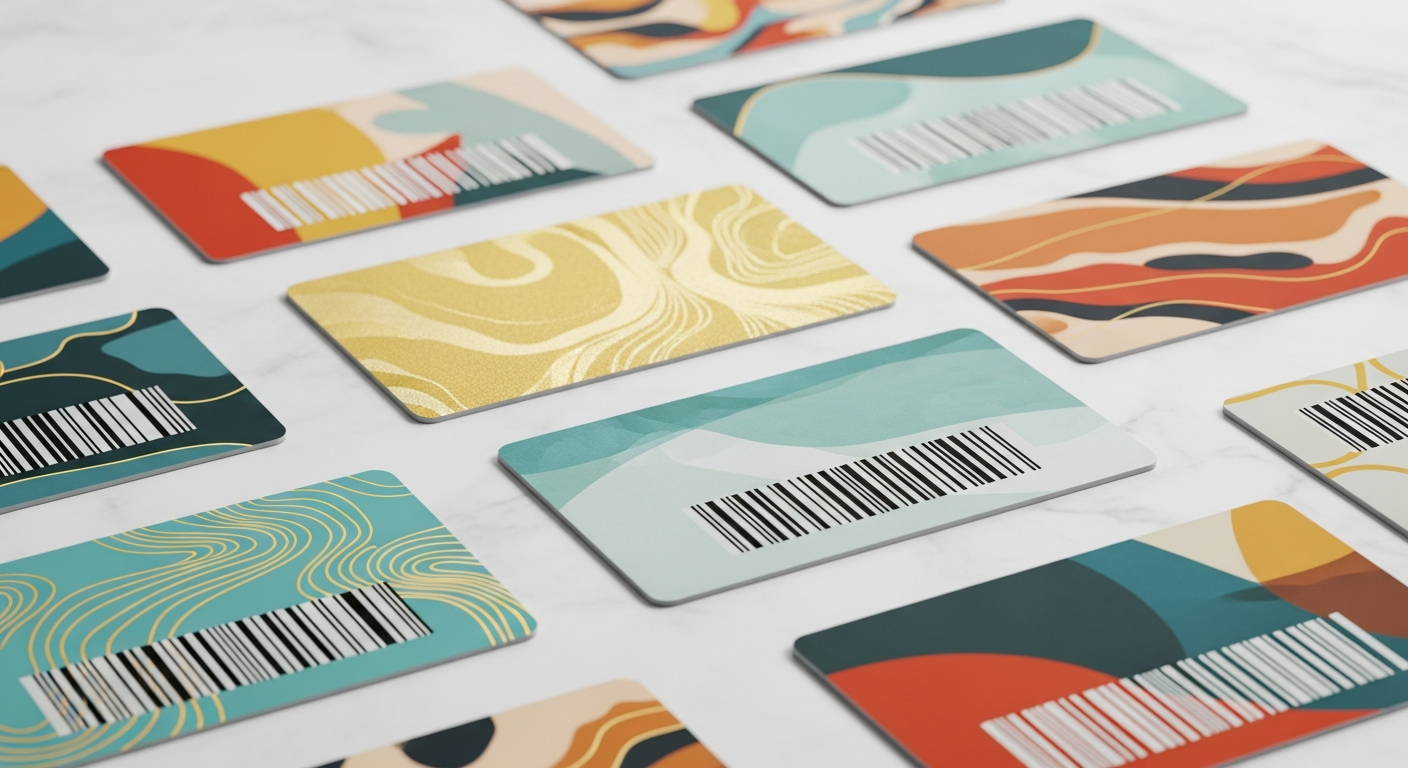
South Africa has one of the most vibrant loyalty programme markets in the world. According to industry research, the average South African consumer belongs to more than six loyalty programmes — a participation rate that rivals or exceeds many developed markets. Behind each of these programmes lies a physical card, and behind each card lies a manufacturing operation that must deliver millions of units to precise specifications, on time, and at scale.
The Big Programmes
Discovery Vitality stands as perhaps the most sophisticated loyalty programme on the continent. Far more than a simple points-and-rewards scheme, Vitality uses behavioural economics to incentivise healthy living, with card-based rewards spanning groceries, travel, and entertainment. The programme's success — with millions of active members — has made it a case study in loyalty programme design and a significant driver of card manufacturing volume. Each membership tier (Blue, Bronze, Silver, Gold, Diamond) requires distinct card designs, creating a complex production matrix.
Pick n Pay Smart Shopper is arguably the most widely held loyalty card in South Africa. Launched in 2011, the programme rapidly grew to over 10 million active members, making it one of the largest retail loyalty programmes in Africa. The Smart Shopper card serves dual purposes — as a loyalty identification tool at the point of sale and as a stored-value card that accumulates points redeemable for discounts. The sheer volume of cards required to support this membership base makes it a cornerstone account for any card manufacturer involved in the programme.
Clicks ClubCard has carved out a dominant position in the health and beauty retail segment. With over 8 million members, the programme drives significant repeat traffic to Clicks stores and generates rich customer data that informs merchandising decisions. The ClubCard's evolution — from a basic PVC card to a smart card with multiple functionality options — illustrates the broader trend of loyalty cards becoming more technologically sophisticated over time.
Manufacturing at Loyalty Scale
The manufacturing requirements for loyalty cards differ from banking cards in several important ways. Volume is typically higher — a major loyalty programme may need millions of cards annually to support new member acquisition and card replacement. Cost sensitivity is acute, as the card is a marketing expense rather than a revenue-generating product. Yet quality expectations remain high: a loyalty card that looks cheap or feels flimsy undermines the very brand image it is meant to reinforce.
Print quality is paramount for loyalty cards. Retailers invest heavily in card design, using full-colour offset printing, metallic inks, spot varnishes, and custom finishes to create cards that reflect their brand identity. The card must survive daily handling — being carried in wallets, dropped, bent, and occasionally run through a washing machine — while maintaining its visual appeal.
For technology-enabled loyalty cards — those carrying an RFID chip, a barcode, a magnetic stripe, or a combination thereof — the manufacturing process becomes more complex. The card must be visually attractive while also meeting the technical specifications required by the retailer's point-of-sale system. A barcode that does not scan reliably, or an RFID chip that fails intermittently, creates checkout delays that erode the customer experience.
Beyond Points: The Data Play
The real value of loyalty programmes extends far beyond the rewards themselves. The transactional data generated by loyalty card usage provides retailers with unprecedented insight into customer behaviour — what they buy, when they shop, how they respond to promotions, and how their spending patterns change over time. This data, properly analysed, becomes a strategic asset that shapes everything from store layouts to product assortments to pricing strategies.
For programme operators, this data capability increasingly demands more sophisticated card technology. Basic barcode-only cards are giving way to smart cards that can store customer preferences locally, support offline transactions, and integrate with mobile applications. The card becomes a physical anchor for a broader digital loyalty ecosystem.
The Coalition Model
South Africa has also seen experimentation with coalition loyalty programmes — multi-brand alliances where a single card earns and redeems across multiple retailers. While individual-brand programmes remain dominant, the coalition model offers attractive economics for smaller retailers who cannot afford to build and maintain a loyalty infrastructure independently. These programmes create additional card manufacturing opportunities, as coalition cards often carry multiple brand identities and require frequent design refreshes as partners join or leave the alliance.
As loyalty programmes continue to evolve in sophistication and scale, the humble plastic card remains the physical touchpoint that connects millions of consumers to their favourite brands. For card manufacturers, the loyalty sector represents a dynamic, high-volume market segment where print quality, production efficiency, and supply reliability are the keys to success.